
Chimney Sweep in Saratoga, CA
Call (408) 850-1659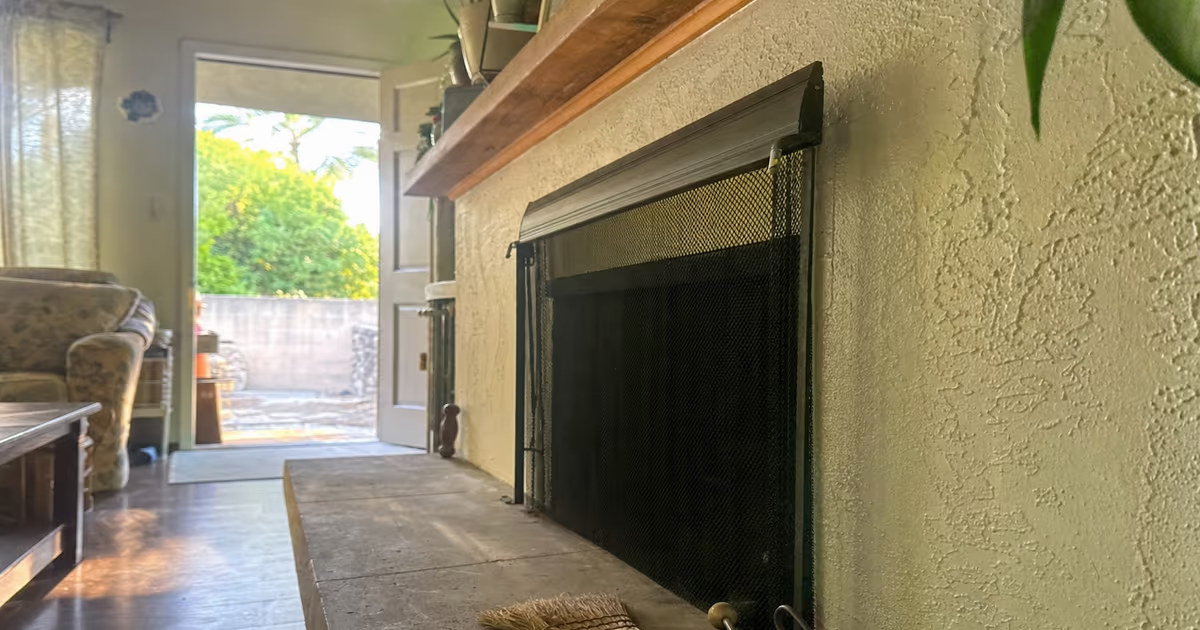
Why Saratoga chimneys foul faster than the valley floor
Cold nights up against the Santa Cruz Mountains mean real fires, not decorative ones. People damp the air control down and let a load smolder overnight. Smoldering wood at low flue temperature is what lays creosote. Add the rainfall this side of the valley and firewood stacked outdoors under an oak canopy never fully dries. Wet wood plus a choked fire is the whole recipe. Homes along the Highway 9 corridor and Pierce Road burn more than most of the county, and it shows in the flue.
The canopy is the second problem. Oak, redwood and fir drop needles and leaf litter onto the crown and into open-top caps. Debris packs the spark arrestor screen, draft drops, and smoke rolls back into the room. A screen you cannot see through is not a screen.
Housing stock splits two ways here. The 1950s and 60s valley-edge ranches often have original clay tile liners with open mortar joints. Hillside custom houses tend to have factory-built metal systems with long offsets and chase covers that pond water.
Steep tile and shake-style roofs govern how the work gets staged. Access is the first conversation, before crown patching or flashing repair after storm season.
Chimney Sweep services in Saratoga
Same-day service available in Saratoga, CA. Call to check availability.
Call (408) 850-1659Frequently Asked Questions
- My fireplace's glass doors are original to the house — repair them or replace the whole unit?
On the valley-edge ranch homes from the 1950s and 60s, the original bronze or black steel-framed doors are usually worth saving if the frame is still square and the hinges and mesh screen tracks aren't seized. What normally fails first is the gasket rope, the glass clips and the tempered panes, and those are replaceable parts. Replacement makes more sense when the frame has warped from years of heat, when the masonry opening has shifted, or on the larger hillside custom fireplaces where an oversized or arched door was fitted to a non-standard opening. We look at the frame, the seal and the firebox face together before recommending either way, since a new door on a spalling firebox lip won't seal properly.
- What actually goes wrong on Saratoga chimneys?
Three things dominate. First, creosote buildup: Saratoga gets the coolest winter nights and most rain of the areas we cover, so fireplaces and inserts here get used through the season rather than a handful of times, and the flue shows it. Second, crown cracks and flashing leaks that show up after the winter storms, especially on the steeper hillside roofs. Third, debris: oak, redwood and fir canopy drops constantly onto chimney tops, packing spark arrestor screens and sitting in the crown. We also find failed or missing spark arrestors regularly, which matters here for wildfire reasons as much as code.
- Can you come out the same day?
Sometimes, mid-year. Once the first cold nights hit and people start using the fireplace again, same-day is unlikely because Saratoga jobs take longer than average. The steep pitches and tile or shake roofs mean setting up access properly rather than just leaning a ladder up. If you smell smoke in the room, see staining spreading on the ceiling near the chimney, or had a chimney fire, tell us that when you call and we'll prioritize it.
- How long before you can get out here, and how long does the visit take?
Off-season, usually within a few days. From late fall through winter it stretches out, and storm weeks are worse because crown and flashing calls stack up all at once. A straightforward sweep and inspection is a couple of hours. Hillside houses along the Highway 9 corridor and around Pierce Road tend to run longer, partly for roof access and partly because those chimneys are often taller with more flue to cover.
- What makes one Saratoga chimney cost more to service than another?
Roof access is the biggest driver here. A single-story ranch with a walkable pitch is straightforward; a steep tile or shake roof on a hillside custom home needs more setup and more time, and that shows in the number. After that it's how much creosote is actually in the flue (heavy seasonal use means more to remove), and whether we find the things that commonly need attention locally: a packed or rusted-out spark arrestor, a cracked crown, or a liner that's deteriorated in an older masonry stack. We separate the sweep from any repair findings so you can see what's routine and what's optional, and nothing beyond the agreed scope happens without your say.